21
Jesus His Commandment
- Don’t be angry at your brother without a cause. If you will be, reconcile as quickly as possible Matthew 5:21-26
This Primary Bible reference is a unique Bible reference according to the words of Jesus, which best summarizes this step.
- Let not the sun go down upon your wrath
All Jesus His steps can be grouped into the Ten Commandments from the Old Testament (Exodus 20).

Direct Bible References
Extra direct Bible references which expands or explain the same step.
- Psalms 4:5 (Author: 'David')
- Romans 12:18 (Author: 'Paul')
- Ephesians 4:26-32 (Author: 'Paul')
- James 5:7-8 (Author: 'James')
Indirect Bible References
Extra, more indirect Bible references, relating to the same step.
- Luke 12:58 (Author: 'Jesus')
Example Bible References
In these Bible references you will find examples and testimonies how this step was being executed.
Please click on the Bible Reference to show its corresponding text.
- 1 Samuel 24:13-14
(Author: 'David') - 2 Chronicles 11:1-4
(Author: 'Rehoboam') - Jonah 4:1-4
(Author: 'Jonah')
Wisdom Bible References
Wisdom Bible references will relate to one of the Wisdom Literare Books from the Old Testament.
Please click on the Bible Reference to show its corresponding text.
- Proverbs 3:30
(Author: 'Solomon') - Proverbs 14:29
(Author: 'Solomon') - Proverbs 15:1
(Author: 'Solomon') - Proverbs 16:32
(Author: 'Solomon') - Proverbs 17:14
(Author: 'Solomon') - Proverbs 18:17
(Author: 'Solomon') - Proverbs 25:8
(Author: 'Solomon')
Legend
Bible verses copyright: PUBLIC DOMAIN except in the United Kingdom, where a Crown Copyright applies to printing the KJV. See http://www.cambridge.org/about-us/who-we-are/queens-printers-patent
Click here to see the explanation of the different symbols, Author, OT Law etc.
- A related Bible reference to the step which is negative, something you should not do
- A related Bible reference to the step which is both positive and negative
- A related Bible reference to the step which is positive, something you should do or learn from
- A related Bible reference to the step which is not yet determined positive or negative
- Author: Indicates the known author from this Bible reference
- OT Law nr: Jewish tradition teached that there are 613 commandments or mitzvot in the Torah. We list the Number, based on a chronological order (Genesis, Exodus, Leviticus, Numeri, Deuteronomium).
- Rambam Title: This is the commandment, as an interpretation of Rambam (commonly known as Maimonides)
- Rambam Coding: The coding refers to the commandments layout of Rambam. Rabbi Chafetz Chayim wrote a book with all the commandments which can still be observed today. The book is called 'The Concise Book of Mitzvoth'
- CCA means a positive mitzwe (which can now also be carried out outside of Israel).
- CCN is the negative mitzwe (which can now also be carried out outside of Israel).
- CCI means that this mitzvah can only be performed in the State of Israel.
Who came up with this "613 Mitzvot"?
Rabbi Moshe ben Maimon, His full name was Rabbi Moses Ben Maimon. His name formed the acronym as "The Rambam" was born on the 14th of Nisan 4895 (30th March 1135) and he died on the 20th of Tevet of 4965 (Dec. 13 1204). The Rambam was one of the most saught after individuals of his time. Not only as a Halachic authority, but also within the secular world of kings and sultans, for his vast knowledge of secular medecines was outstanding. When writting the Mishna Torah, Ramban reviewed the Torah's Mitzvot, and he itemized them. He seperated the positive and negative mitzvot, listed them, all 613, and discussed them."A gentle answer turns away wrath, but a harsh word stirs up anger"
Quote by: King Solomon

Drawings

Artist: Jenske Visser
Resource Language Settings
Below you will find all kinds of related resources to this step, to help you grow. Resources can be Sermons, Testimonies, Movies, Shortmovies, Songs, Blogs or Books. You can select multiple languages if you like to see those resources in more languages.Do you know more good resources in your language which can be added to this list? Please contact us so we can add it (or register and you can add it yourself!

Superbook
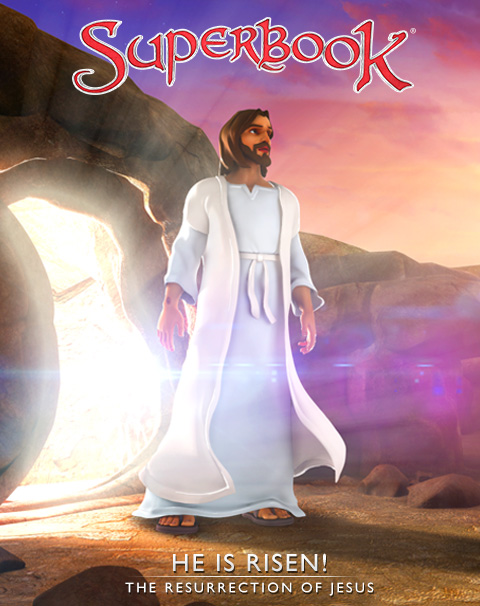
Chris is arguing with his mom, Phoebe. Superbook intervenes and, in a very special episode, takes Chris, Joy, Gizmo, AND Phoebe back in time for an encounter with Jesus’ mother Mary during the time of her son’s crucifixion. When Superbook returns the family home, a wiser Chris apologizes for their argument, and their relationship is restored
Watch now on: Superbook

Songs
Matthew West - Forgiveness

Questions
Share your hearts together by discussing the following questions:
- Is there anything you don't understand within this step?
- Wat appeals to you about all Bible references and resources?
- How do you apply this step in your life or do you experience any boundaries?