14
Jesus His Commandment
- Blessed are the pure in heart: for they shall see God Matthew 5:8
This Primary Bible reference is a unique Bible reference according to the words of Jesus, which best summarizes this step.
- Go, and sin no more
All Jesus His steps can be grouped into the Ten Commandments from the Old Testament (Exodus 20).

Direct Bible References
Extra direct Bible references which expands or explain the same step.
- Leviticus 19:2 (Author: 'HEERE')
- Psalms 24:4-5 (Author: 'David')
- Psalms 119:9 (Author: 'Undetermined')
- Jeremiah 17:9-10 (Author: 'HEERE')
- Ephesians 1:4 (Author: 'Paul')
- 2 Timothy 2:22 (Author: 'Paul')
- Hebrews 10:22 (Author: 'Unknown')
- 1 Peter 1:15-16 (Author: 'Peter')
Indirect Bible References
Extra, more indirect Bible references, relating to the same step.
- Leviticus 20:7 (Author: 'HEERE')
- Deuteronomy 8:2 (Author: 'Moses')
- Psalms 15:2 (Author: 'David')
- Habakkuk 1:13 (Author: 'Habakkuk')
- Matthew 7:3-5 (Author: 'Jesus')
- Matthew 15:10-11 (Author: 'Jesus')
- Matthew 23:26 (Author: 'Jesus')
- John 5:14 (Author: 'Jesus')
- John 8:11 (Author: 'Jesus')
- John 15:2-3 (Author: 'Jesus')
- 1 Timothy 1:5 (Author: 'Paul')
- Hebrews 9:13-14 (Author: 'Unknown')
- Hebrews 10:22 (Author: 'Unknown')
- James 4:17 (Author: 'James')
- James 5:16 (Author: 'James')
- 1 John 1:8-10 (Author: 'John')
OT Law Bible References
Old Testament Law Bible references which will relate to OT Commandments (Jewish tradition teached that there are 613 commandments or mitzvot in the Torah).
- Exodus 12:15 (OT Law nr: '8', Rambam Title: 'To remove chametz on the Eve of Passover', Rambam Coding: 'CCA22' )
Example Bible References
In these Bible references you will find examples and testimonies how this step was being executed.
Please click on the Bible Reference to show its corresponding text.
- Genesis 6:5
(Author: 'HEERE') - 1 Kings 8:35-36
(Author: 'Solomon') - 2 Chronicles 32:31
(Author: 'Hezekiah') - Psalms 51:12
(Author: 'David') - Lamentations 3:40-42
(Author: 'Unknown') - Matthew 15:18-19
(Author: 'Jesus')
Wisdom Bible References
Wisdom Bible references will relate to one of the Wisdom Literare Books from the Old Testament.
Please click on the Bible Reference to show its corresponding text.
- Proverbs 20:27
(Author: 'Solomon') - Proverbs 22:11
(Author: 'Solomon') - Ecclesiastes 11:10
(Author: 'Solomon')
Duplicate Bible References
Another Bible reference to more or less the same as the primary, direct or indirect, with not much new information, although it will confirm the same Bible references:
Please click on the Bible Reference to show its corresponding text.
- Mark 7:14-16
¶ And when he had called all the people unto him, he said unto them, Hearken unto me every one of you, and understand: There is nothing from without a man, that entering into him can defile him: but the things which come out of him, those are they that defile the man. If any man have ears to hear, let him hear. (Author: 'Jesus') - Mark 7:20-23
And he said, That which cometh out of the man, that defileth the man. For from within, out of the heart of men, proceed evil thoughts, adulteries, fornications, murders, Thefts, covetousness, wickedness, deceit, lasciviousness, an evil eye, blasphemy, pride, foolishness: All these evil things come from within, and defile the man. (Author: 'Jesus') - Luke 6:41-42
And why beholdest thou the mote that is in thy brother’s eye, but perceivest not the beam that is in thine own eye? Either how canst thou say to thy brother, Brother, let me pull out the mote that is in thine eye, when thou thyself beholdest not the beam that is in thine own eye? Thou hypocrite, cast out first the beam out of thine own eye, and then shalt thou see clearly to pull out the mote that is in thy brother’s eye. (Author: 'Jesus')
Study Bible References
Extra Bible references (most often larger parts of Bible books) which are good for extra study on this step:
Please click on the Bible Reference to show its corresponding text.
- Psalms 18:21-27
For I have kept the ways of the LORD, and have not wickedly departed from my God. For all his judgments were before me, and I did not put away his statutes from me. I was also upright before him, and I kept myself from mine iniquity. Therefore hath the LORD recompensed me according to my righteousness, according to the cleanness of my hands in his eyesight. With the merciful thou wilt shew thyself merciful; with an upright man thou wilt shew thyself upright; With the pure thou wilt shew thyself pure; and with the froward thou wilt shew thyself froward. For thou wilt save the afflicted people; but wilt bring down high looks. (Author: 'David') - Micah 7:18-20
Who is a God like unto thee, that pardoneth iniquity, and passeth by the transgression of the remnant of his heritage? he retaineth not his anger for ever, because he delighteth in mercy. He will turn again, he will have compassion upon us; he will subdue our iniquities; and thou wilt cast all their sins into the depths of the sea. Thou wilt perform the truth to Jacob, and the mercy to Abraham, which thou hast sworn unto our fathers from the days of old. (Author: 'Micah') - Haggai 2:12-20
If one bear holy flesh in the skirt of his garment, and with his skirt do touch bread, or pottage, or wine, or oil, or any meat, shall it be holy? And the priests answered and said, No. Then said Haggai, If one that is unclean by a dead body touch any of these, shall it be unclean? And the priests answered and said, It shall be unclean. Then answered Haggai, and said, So is this people, and so is this nation before me, saith the LORD; and so is every work of their hands; and that which they offer there is unclean. And now, I pray you, consider from this day and upward, from before a stone was laid upon a stone in the temple of the LORD: Since those days were, when one came to an heap of twenty measures, there were but ten: when one came to the pressfat for to draw out fifty vessels out of the press, there were but twenty. I smote you with blasting and with mildew and with hail in all the labours of your hands; yet ye turned not to me, saith the LORD. Consider now from this day and upward, from the four and twentieth day of the ninth month, even from the day that the foundation of the LORD’s temple was laid, consider it. Is the seed yet in the barn? yea, as yet the vine, and the fig tree, and the pomegranate, and the olive tree, hath not brought forth: from this day will I bless you. ¶ And again the word of the LORD came unto Haggai in the four and twentieth day of the month, saying, (Author: 'Haggai') - Matthew 13:33
¶ Another parable spake he unto them; The kingdom of heaven is like unto leaven, which a woman took, and hid in three measures of meal, till the whole was leavened. (Author: 'Jesus') - 1 Corinthians 5:6-8
Your glorying is not good. Know ye not that a little leaven leaveneth the whole lump? Purge out therefore the old leaven, that ye may be a new lump, as ye are unleavened. For even Christ our passover is sacrificed for us: Therefore let us keep the feast, not with old leaven, neither with the leaven of malice and wickedness; but with the unleavened bread of sincerity and truth. (Author: 'Paul') - Hebrews 12:1-14
Wherefore seeing we also are compassed about with so great a cloud of witnesses, let us lay aside every weight, and the sin which doth so easily beset us, and let us run with patience the race that is set before us, Looking unto Jesus the author and finisher of our faith; who for the joy that was set before him endured the cross, despising the shame, and is set down at the right hand of the throne of God. For consider him that endured such contradiction of sinners against himself, lest ye be wearied and faint in your minds. Ye have not yet resisted unto blood, striving against sin. And ye have forgotten the exhortation which speaketh unto you as unto children, My son, despise not thou the chastening of the Lord, nor faint when thou art rebuked of him: For whom the Lord loveth he chasteneth, and scourgeth every son whom he receiveth. If ye endure chastening, God dealeth with you as with sons; for what son is he whom the father chasteneth not? But if ye be without chastisement, whereof all are partakers, then are ye bastards, and not sons. Furthermore we have had fathers of our flesh which corrected us, and we gave them reverence: shall we not much rather be in subjection unto the Father of spirits, and live? For they verily for a few days chastened us after their own pleasure; but he for our profit, that we might be partakers of his holiness. Now no chastening for the present seemeth to be joyous, but grievous: nevertheless afterward it yieldeth the peaceable fruit of righteousness unto them which are exercised thereby. Wherefore lift up the hands which hang down, and the feeble knees; And make straight paths for your feet, lest that which is lame be turned out of the way; but let it rather be healed. Follow peace with all men, and holiness, without which no man shall see the Lord: (Author: 'Unknown')
Legend
Bible verses copyright: PUBLIC DOMAIN except in the United Kingdom, where a Crown Copyright applies to printing the KJV. See http://www.cambridge.org/about-us/who-we-are/queens-printers-patent
Click here to see the explanation of the different symbols, Author, OT Law etc.
- A related Bible reference to the step which is negative, something you should not do
- A related Bible reference to the step which is both positive and negative
- A related Bible reference to the step which is positive, something you should do or learn from
- A related Bible reference to the step which is not yet determined positive or negative
- Author: Indicates the known author from this Bible reference
- OT Law nr: Jewish tradition teached that there are 613 commandments or mitzvot in the Torah. We list the Number, based on a chronological order (Genesis, Exodus, Leviticus, Numeri, Deuteronomium).
- Rambam Title: This is the commandment, as an interpretation of Rambam (commonly known as Maimonides)
- Rambam Coding: The coding refers to the commandments layout of Rambam. Rabbi Chafetz Chayim wrote a book with all the commandments which can still be observed today. The book is called 'The Concise Book of Mitzvoth'
- CCA means a positive mitzwe (which can now also be carried out outside of Israel).
- CCN is the negative mitzwe (which can now also be carried out outside of Israel).
- CCI means that this mitzvah can only be performed in the State of Israel.
Who came up with this "613 Mitzvot"?
Rabbi Moshe ben Maimon, His full name was Rabbi Moses Ben Maimon. His name formed the acronym as "The Rambam" was born on the 14th of Nisan 4895 (30th March 1135) and he died on the 20th of Tevet of 4965 (Dec. 13 1204). The Rambam was one of the most saught after individuals of his time. Not only as a Halachic authority, but also within the secular world of kings and sultans, for his vast knowledge of secular medecines was outstanding. When writting the Mishna Torah, Ramban reviewed the Torah's Mitzvot, and he itemized them. He seperated the positive and negative mitzvot, listed them, all 613, and discussed them."While you are proclaiming peace with your lips, be careful to have it even more fully in your heart"
Quote by: Francis of Assisi

Drawings

Artist: Jenske Visser
Resource Language Settings
Below you will find all kinds of related resources to this step, to help you grow. Resources can be Sermons, Testimonies, Movies, Shortmovies, Songs, Blogs or Books. You can select multiple languages if you like to see those resources in more languages.Do you know more good resources in your language which can be added to this list? Please contact us so we can add it (or register and you can add it yourself!

Superbook
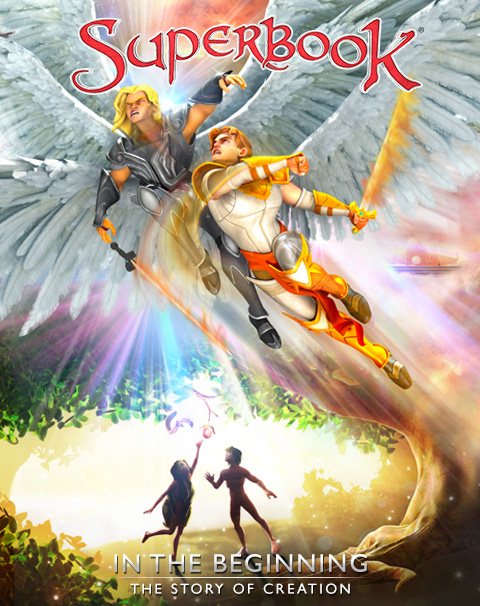
When Chris disobeys his father by sneaking into the Quantum lab to look at the Professor’s latest invention, he has an accident that almost destroys the top secret work-in-progress. Chris is mortified and doesn’t know what he’ll say to his father. Superbook intervenes and takes our three heroes on a journey to witness Lucifer’s fall and transformation into Satan during a blistering heavenly battle.
Watch now on: Superbook

Short Movies
The Bible Project - Holiness
In this video we explore the paradox that God’s holiness presents to human beings. God is the unique and set-apart Creator of all reality and the author of all goodness. However, that goodness can become dangerous to humans who are mortal and morally corrupt. Ultimately, this paradox is resolved by Jesus, who embodies God’s holiness that comes to heal His creation.

Songs
Dara Maclean - Blameless
Acappella - Create in me
Keith Green - Create in me a clean heart
Keith Green - Create in me a clean heart

Questions
Share your hearts together by discussing the following questions:
- Is there anything you don't understand within this step?
- Wat appeals to you about all Bible references and resources?
- How do you apply this step in your life or do you experience any boundaries?
- Ask others, what kind of sins do they see with you?
- Pray for each other
- What sins do you want to get rid off?